The Edgewater & Midtown Blueprint for Hurricane and Flood Resilience
BNA Pulse brings together eight experts for a timely conversation on storm readiness, high-rise safety, flooding, insurance, infrastructure, and community preparedness.
Living in Edgewater and Midtown Miami means living with the beauty of Biscayne Bay, the energy of a growing urban corridor, and the realities of a changing climate. Our neighborhoods offer some of the most stunning views in the city, but they also sit at the intersection of several risks: hurricanes, storm surge, king tides, intense rainfall, aging infrastructure, high-rise building systems, insurance challenges, and the growing need for coordinated emergency planning.
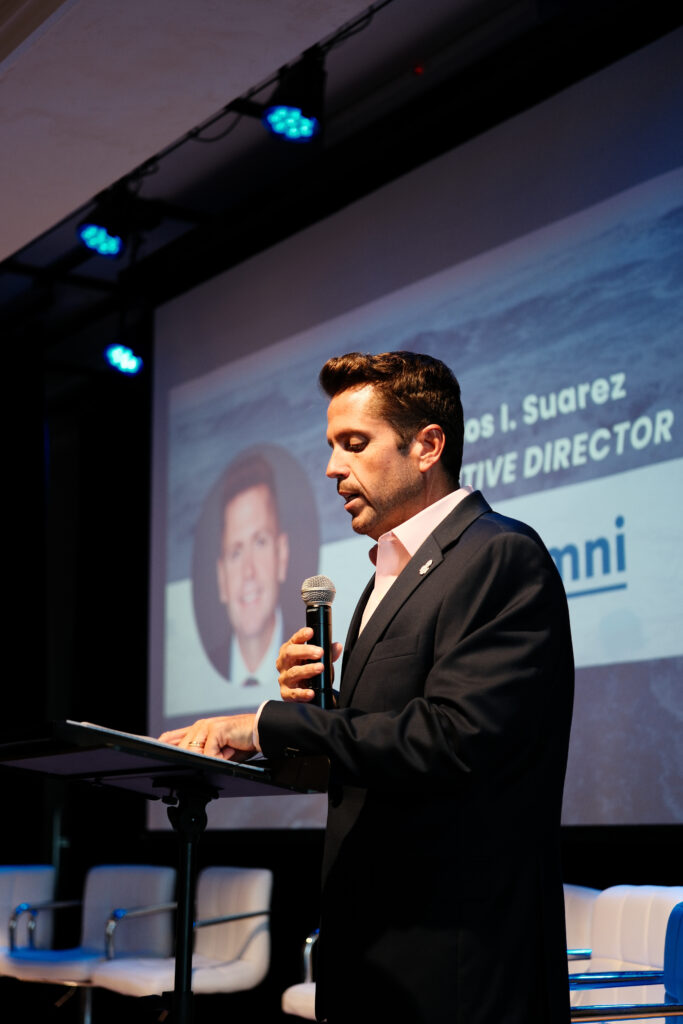
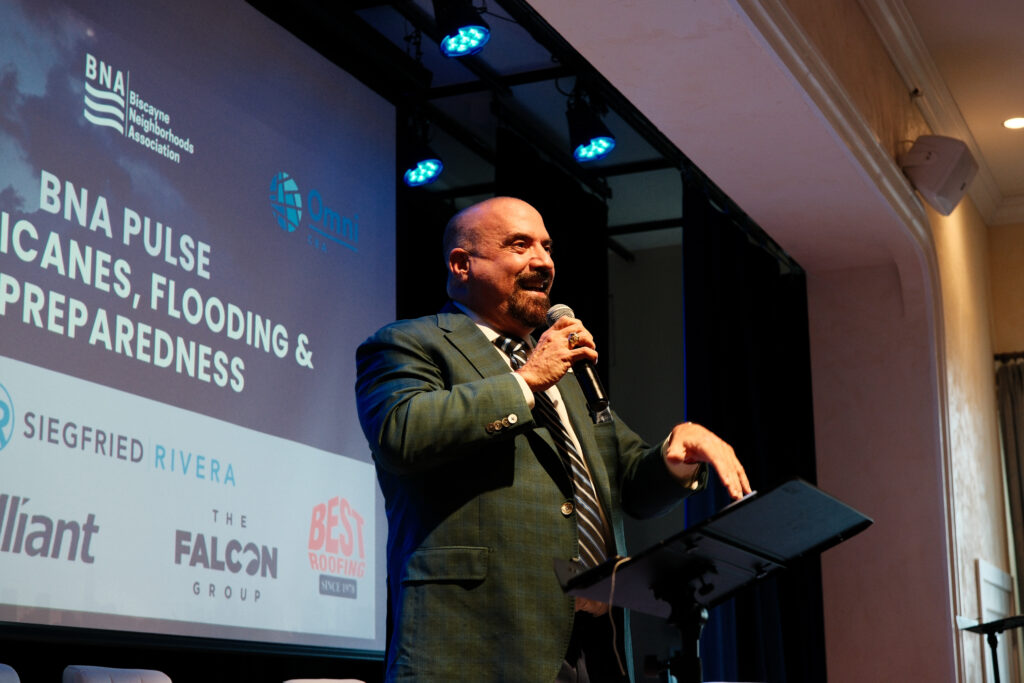
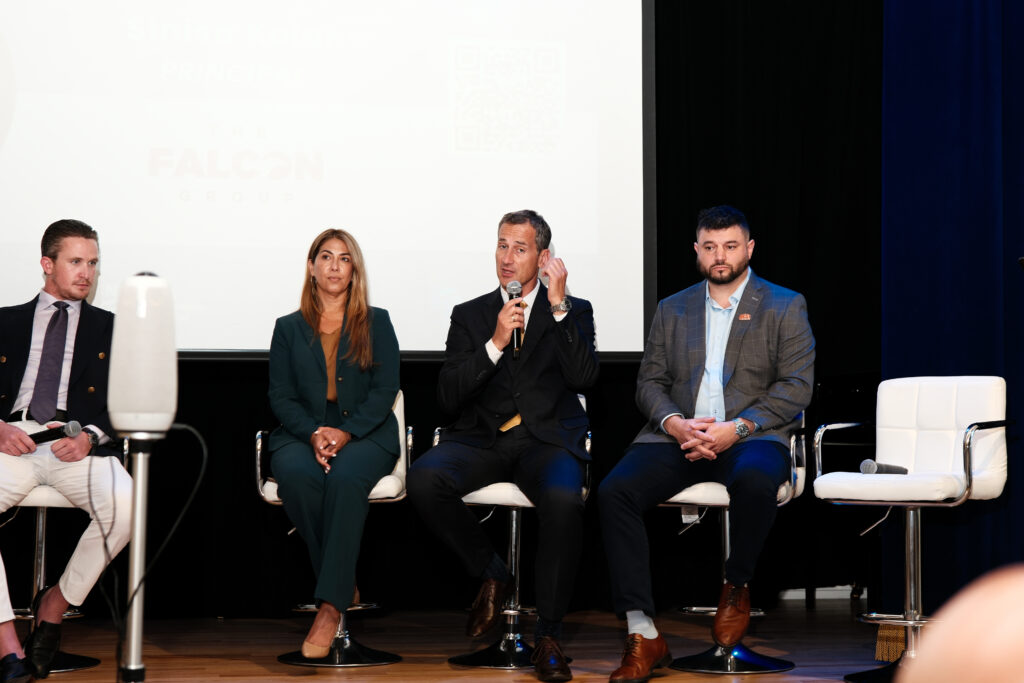
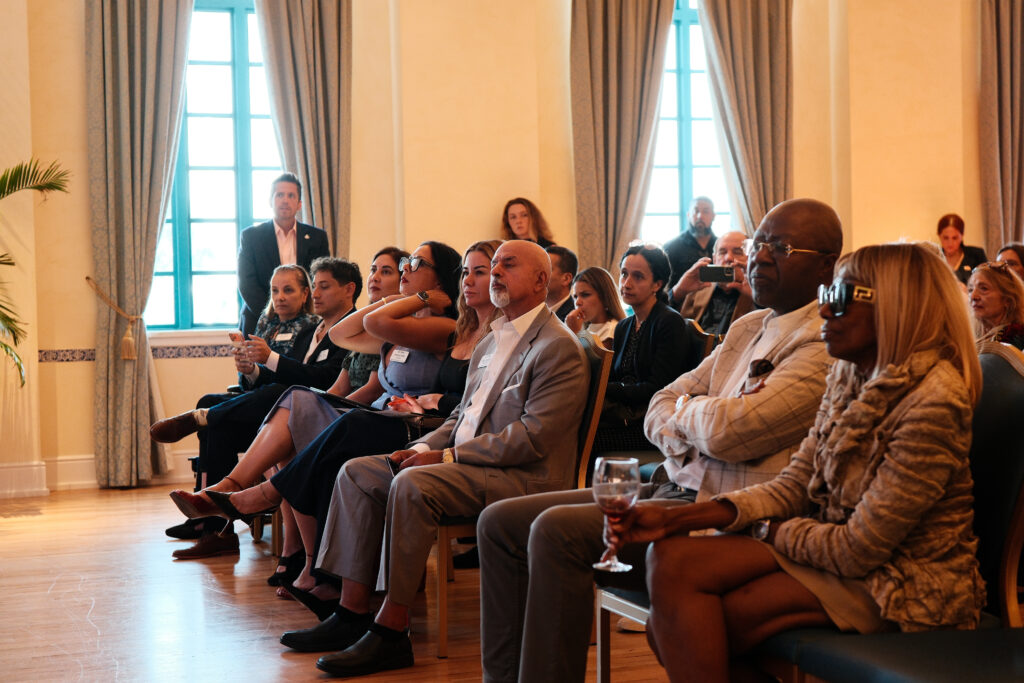
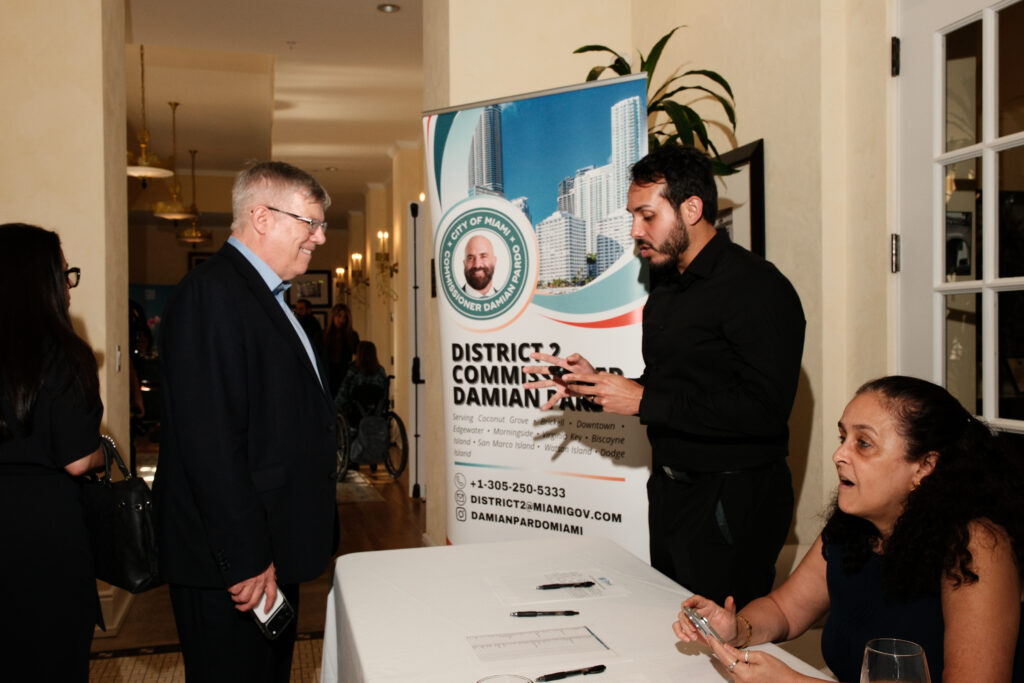
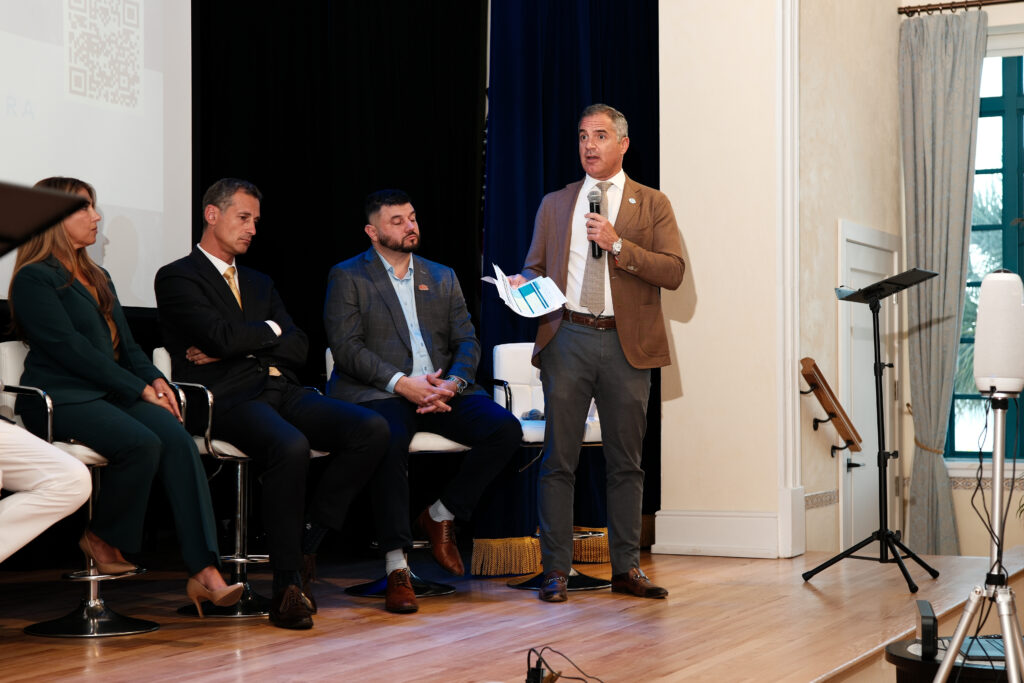
As hurricane season approaches, the Biscayne Neighborhoods Association hosted BNA Pulse: Hurricanes, Flooding & Preparedness at the historic Miami Woman’s Club on May 7, bringing together eight experts from city government, county emergency management, public works, insurance, property management, engineering, roofing, and law. WATCH THE FULL PANEL RECORDING HERE.
For residents, condo boards, property managers, and community stakeholders, preparedness can often feel overwhelming. What should be done before a storm is named? Who should residents call when streets begin to flood? What building systems need to be tested? How should associations think about insurance, roof inspections, emergency contracts, and vulnerable residents?
The panel offered a powerful reminder: hurricane preparedness is not a seasonal checklist. It is a year-round responsibility that requires planning, maintenance, communication, and partnership between residents, buildings, city departments, county agencies, and private-sector experts.
This editorial breakdown captures the most important lessons from the discussion. For the full conversation, including the panel presentations and audience Q&A, residents are encouraged to watch the complete broadcast on the BNA YouTube channel.
Preparedness Begins Before the Forecast
One of the strongest themes of the evening was that preparation cannot begin when a storm is already approaching South Florida. By then, supplies are scarce, vendors are overwhelmed, residents are anxious, and buildings may be racing against time to solve problems that should have been addressed months earlier.
The panel emphasized that the most effective hurricane planning happens quietly and consistently throughout the year.
For buildings, that means testing emergency generators, fire pumps, transfer switches, alarm systems, elevators, drainage systems, flood barriers, roof conditions, and communication protocols well before hurricane season begins. For residents, it means reviewing evacuation zones, preparing emergency supplies, understanding insurance coverage, registering vulnerable family members for assistance, and making a realistic plan for what happens if power, water, elevators, or air conditioning are unavailable for days or even weeks.
In a high-rise neighborhood like ours, the question is not only whether a resident can survive the storm itself. The real question is whether they can safely manage the aftermath.
Lee Wilkins, Public Works Department
Lee Wilkins brought the public works perspective to the conversation, helping residents understand how much of flood prevention begins with basic maintenance and shared responsibility.
In dense urban neighborhoods, flooding is not always caused by one dramatic failure. Sometimes, it begins with something as simple as leaves, trash, landscape debris, or discarded items blocking drains and gutters. When stormwater cannot move through the system, streets can flood quickly, especially during sudden and intense rain events.
Wilkins explained the difference between rainfall-related flooding and tidal flooding. Rainwater can often be managed through drainage and pumping systems, but tidal flooding is more complicated. During king tides or storm surge conditions, water may have nowhere to go until the tide recedes.
His message to the community was practical and important: residents and property managers should help keep private property debris from entering the public drainage system, report rising water or blocked drains through 311 as early as possible, and avoid attempting dangerous drainage clearing once winds or flood conditions intensify.
In other words, storm readiness begins long before the storm. It begins with keeping the neighborhood’s basic systems clear, functional, and visible.
Grant Musser, City of Miami Fire Rescue
Grant Musser focused on the life-safety side of hurricane preparedness, especially for high-rise buildings.
For condo associations and property managers, his message was direct: mechanical systems need to be tested before they are needed. Emergency generators, fire pumps, alarm panels, transfer switches, and other critical building systems cannot be treated as assumptions. They need to be checked, documented, and operational before hurricane season begins.
Musser also emphasized the importance of planning for vulnerable residents. In a vertical neighborhood, losing power can quickly become more than an inconvenience. Elevators may stop working. Air conditioning may be unavailable. Medical equipment that depends on electricity may become unusable. Residents with mobility challenges may find themselves isolated.
That is why the Emergency Evacuation Assistance Program is so important. Residents who may need help during an emergency, including those with mobility issues or medical dependencies, should register in advance through 311.
Preparedness, from this perspective, is not only about protecting buildings. It is about protecting people, especially those most at risk.
Pete Gomez, Miami-Dade Department of Emergency Management
Pete Gomez brought the countywide emergency management perspective, reminding residents that information can be just as important as supplies.
One of his clearest warnings was about the danger of unofficial information. During hurricane season, social media can become crowded with speculation, dramatic forecasts, and unofficial interpretations of storm models. While those posts may spread quickly, they are not always accurate or helpful.
Gomez urged residents to rely on official sources, including the National Weather Service, Miami-Dade County, the City of Miami, and verified emergency management updates.
He also reminded residents that storm surge does not need to be extreme to be dangerous. Even a few feet of fast-moving water can create life-threatening conditions, damage buildings, disable vehicles, flood garages, and compromise critical infrastructure.
For high-rise residents, Gomez challenged a common assumption: staying in place may sound simple, but it becomes far more complicated if a building loses power, elevators, water pressure, cooling, or access for an extended period.
His takeaway was clear. Know your evacuation zone. Understand your risk. Follow official guidance. And when emergency management officials issue instructions, take them seriously.
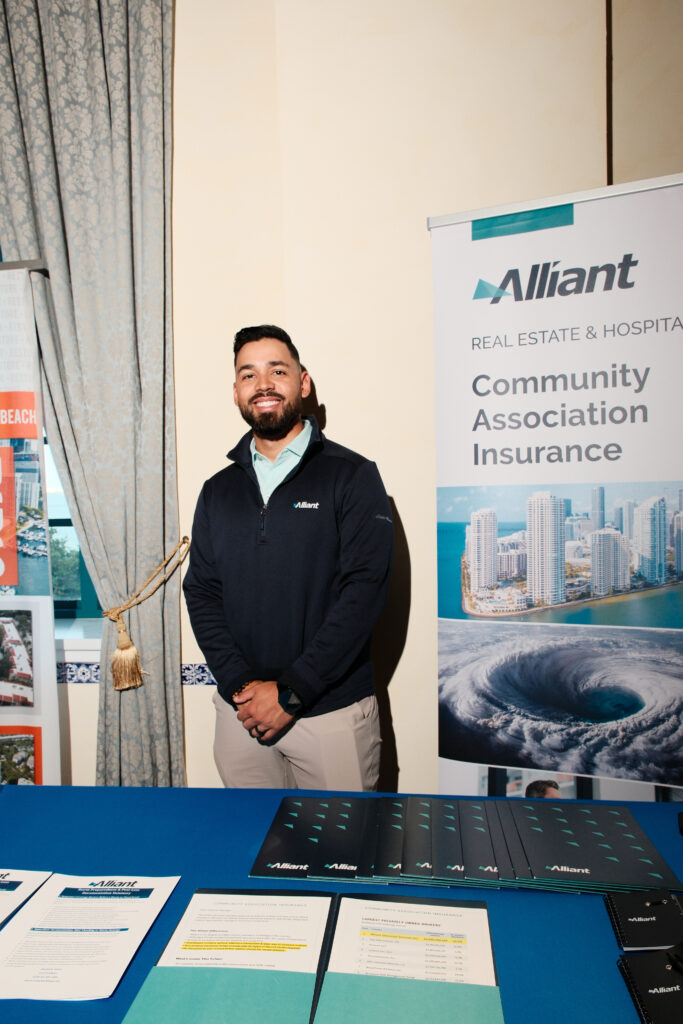
Charles Schick, Alliant Insurance
Charles Schick offered a sobering but necessary look at the insurance realities facing condominium associations and property owners.
The insurance market has changed dramatically in recent years. Associations are now expected to operate with greater discipline, stronger documentation, better maintenance records, and a clearer understanding of their risk exposure. In this environment, being prepared is not only a safety issue. It is also a financial and insurance issue.
Schick emphasized the importance of understanding deductibles, especially the difference between hurricane deductibles, windstorm coverage, flood coverage, and all-other-perils coverage. These distinctions matter because the financial impact of a claim can vary dramatically depending on the type of event and the language in the policy.
He also highlighted the need for unit owners to understand the relationship between the building’s master policy and their individual HO6 policies. Many residents may assume that the association’s insurance covers more than it actually does. Interior finishes, personal property, temporary housing, improvements, and other exposures may require individual coverage.
For boards, his advice pointed toward education and communication. Insurance should not be discussed only after a loss. Associations should consider helping residents understand where the master policy ends and where personal coverage begins.
Lurlaine Gonzalez, Castle Group
Lurlaine Gonzalez brought the operational perspective of property management, where preparedness becomes a matter of execution.
For her, a hurricane plan should not live only in a binder or digital file. It should be tested. Staff should know their roles. Equipment should be checked. Flood barriers should be fitted. Storage plans should be verified. Furniture, signage, loose objects, and common-area items should have a designated place to go before winds arrive.
She emphasized the importance of a “dry run” before hurricane season. A building should not discover during an emergency that its floodgates do not fit, its storage area is too small, its communication list is outdated, or its staff is unclear about who is responsible for each task.
Gonzalez also spoke to the importance of communication. In a storm, uncertainty creates anxiety. A structured communication cadence, such as updates at 72 hours, 48 hours, and 24 hours before expected impacts, can help residents feel informed and reduce confusion.
Even when there is no major change, communication matters. Silence can create a vacuum, and in that vacuum, rumors often grow.
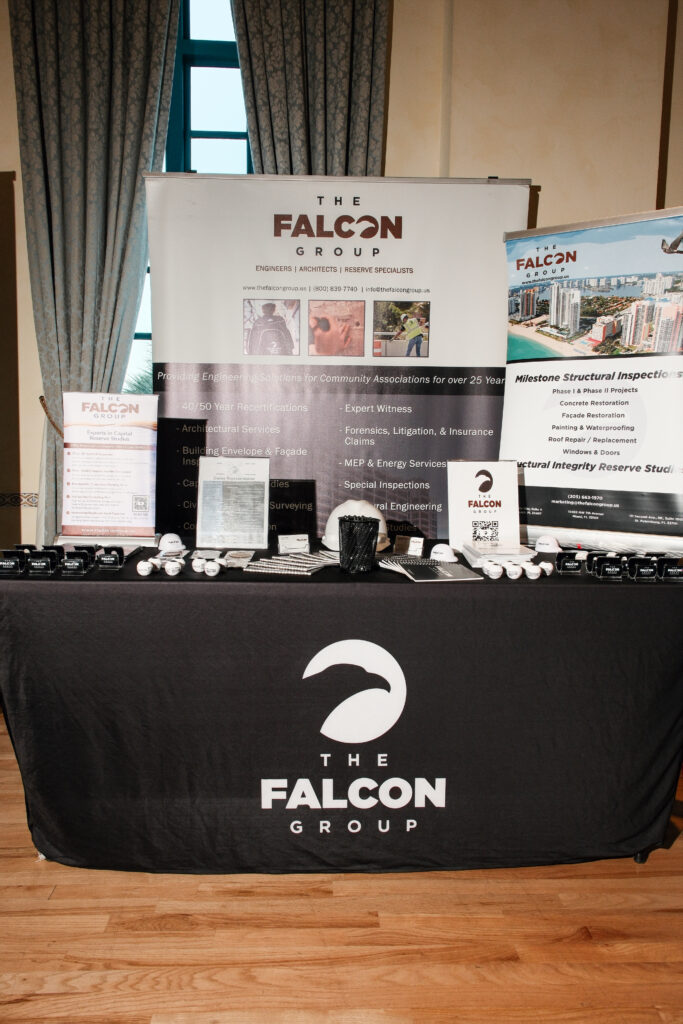
Sinisa Kolar, The Falcon Group
Sinisa Kolar brought the engineering lens to the panel, focusing on the vulnerabilities that may not be obvious until severe weather exposes them.
Buildings are complex systems. Roofs, balconies, drains, pipes, garages, electrical rooms, façades, windows, waterproofing, and structural components all interact during a storm. A small weakness in one area can create significant consequences elsewhere.
Kolar discussed the importance of proactive inspections, including identifying drainage problems, blocked weep holes, salt buildup, deterioration, and other issues that can reduce a building’s ability to manage heavy rain or flooding.
He also warned about the dangers that follow flooding, especially when saltwater is involved. Electrical equipment that has been exposed to floodwater should not simply be turned back on. Saltwater conducts electricity and can create serious fire and safety risks if systems are not professionally inspected.
His message was one of prevention and caution. The time to understand a building’s vulnerabilities is before a storm. The time to restore power and building systems is only after qualified professionals determine it is safe.
Jordan Litt, Best Roofing
Jordan Litt focused on one of a building’s most important lines of defense: the roof.
In a hurricane, the roof is not simply a covering. It is part of the building envelope, and it must resist wind, rain, uplift, flying debris, ponding water, and the cumulative effects of age and maintenance.
Litt emphasized the importance of documentation before hurricane season. Associations should have clear photo records of roof conditions before a storm occurs. This documentation helps establish a baseline, which can be critical if damage occurs and questions arise about whether the issue was caused by the storm or by pre-existing wear and tear.
He also discussed the danger of small weaknesses becoming major failures. A puncture, loose seam, compromised anchor, or improperly secured rooftop equipment can become a serious hazard in high winds. Air conditioning units and other rooftop equipment that are not properly secured can become projectiles, damaging the same buildings they are meant to serve.
The lesson was simple but critical: roof inspections and maintenance should not be delayed. In hurricane season, small problems can scale quickly.
Roberto Blanch, Siegfried Rivera
Robert Blanch provided the legal and association governance perspective, helping boards understand the authority and responsibility they may have during an emergency.
Florida law provides condominium associations with certain emergency powers during declared states of emergency. These powers can allow boards to act more quickly when urgent decisions are needed, including emergency meetings, special assessments, access decisions, vendor approvals, and actions necessary to protect the property and residents.
Blanch emphasized that boards should understand these powers before they need to use them. Emergency authority is most effective when paired with preparation, documentation, legal guidance, and clear communication.
He also warned about the risks that can follow a storm, including unlicensed or predatory contractors who may appear in the aftermath of a disaster. Associations should be cautious about rushed decisions, vague proposals, and vendors without proper credentials.
His advice reinforced a key theme of the evening: legal and financial preparation should be in place before the first storm clouds appear. Standby contracts, lines of credit, emergency procedures, and board education can make recovery faster, cleaner, and less chaotic.
What Residents Should Do Now
For residents, the panel’s guidance can be distilled into several essential actions:
- Know your evacuation zone and understand whether you live in an area vulnerable to surge, flooding, or mandatory evacuation orders.
- Use official sources for storm updates, including the National Weather Service, Miami-Dade County, the City of Miami, and emergency management alerts.
- Text AlertMiami to 888777 to receive City of Miami emergency notifications.
- Download and use the ReadyMDC app for county emergency information and preparedness resources.
- Call 911 only for life-threatening emergencies. Use 311 for non-emergency issues such as downed trees, blocked drains, service requests, or concerns that need city or county attention.
- Review your insurance coverage before a storm is named. Understand your deductibles, your flood coverage, your windstorm coverage, and what your personal HO6 policy does or does not cover.
- Take photos and videos of your home, balcony, windows, doors, personal property, and interior conditions before hurricane season and again after a storm if damage occurs.
- If you or someone in your household may need emergency assistance, register in advance through the Emergency Evacuation Assistance Program by calling 311.
- Have a real plan for extended power loss. This includes medication, water, food, pets, devices, cooling, elevators, transportation, and where you would go if your home becomes unsafe or uncomfortable for several days.
What Buildings and Associations Should Do Now
For condominium associations and property managers, the message was equally clear:
- Test emergency systems before hurricane season, including generators, fire pumps, transfer switches, alarms, access systems, elevators, and communication tools.
- Inspect roofs, balconies, drainage systems, windows, garages, electrical rooms, mechanical spaces, and flood-prone areas.
- Clear drains and keep private property debris from entering the public stormwater system.
- Conduct a hurricane preparedness dry run with staff and vendors.
- Confirm that flood barriers, floodgates, pumps, sandbags, shutters, and other protective systems are available, functional, and properly fitted.
- Establish communication protocols with residents, including predictable updates before, during, and after a storm.
- Review insurance policies, deductibles, exclusions, flood exposure, documentation standards, and resident education needs.
- Pre-negotiate contracts with restoration, debris removal, mitigation, roofing, engineering, and other emergency vendors.
- Understand the board’s emergency powers and legal responsibilities before an emergency occurs.
- Identify vulnerable residents and encourage them to register for assistance.
Preparedness Is a Community Responsibility
What made this BNA Pulse conversation especially valuable was the way it connected different parts of the preparedness puzzle. This editorial breakdown captures the major themes and takeaways from the BNA’s 2026 Hurricane Preparedness Panel, but the full conversation offers even more depth, including visual presentations, specific examples, and audience questions.
Residents, board members, property managers, and community stakeholders are encouraged to watch the complete broadcast on the BNA YouTube channel and share it with neighbors, building staff, and association leadership. As hurricane season approaches, now is the time to prepare, ask questions, review plans, and take action. Stay informed. Stay ready. Stay safe.
And most importantly, take care of one another.