When the Water Starts Rising: What Every Building Needs to Know
Flooding does not give much warning. One moment, it is a heavy downpour. The next, garage ramps are taking on water, drains are backing up, access points are compromised, and residents are looking to management for answers. That is when preparation stops being theoretical.
In Edgewater and Midtown, flooding is not just an inconvenience. It can disrupt building operations in minutes. Elevators may need to be monitored. Electrical rooms become a concern. Lobby entrances, loading areas, and lower levels can quickly turn vulnerable. And if water begins to enter a garage or pool around key infrastructure, every minute matters.
The first mistake many buildings make is waiting too long to act.
When flooding begins, the priority is not just cleanup. It is protection. Protecting life safety systems. Protecting electrical infrastructure. Protecting access and communication. Buildings need to know who is making decisions, who is documenting damage, and who is communicating with residents and vendors in real time. Confusion in the first hour can make the next 24 far more difficult.
Then comes the next critical question: who do you call first?
That answer depends on the severity of the event, but in most cases the chain needs to be clear before the emergency begins. Property management should be alerted immediately. Building engineers and maintenance teams need to assess vulnerable areas. If there is a threat to safety, emergency services should be contacted without delay. Insurance carriers may need early notification. Legal counsel can become important when documentation, liability, vendor issues, or claims are involved. Restoration, roofing, or remediation teams may also need to be brought in quickly, especially if the event reveals broader building vulnerabilities.
The second major mistake buildings make is poor documentation.
Photos are delayed. Conditions are not logged. Vendor communications are scattered. Damage is addressed before it is properly recorded. In the rush to respond, many buildings lose valuable time and critical information that may later affect claims, cost recovery, and accountability. What happened, when it happened, who responded, and what was impacted should all be captured as early and clearly as possible.
And then there is the issue of resident communication.
During a flooding event, silence creates anxiety. Residents want to know what is happening, what areas to avoid, whether systems are affected, and what steps the building is taking. Even a short, clear update can make a major difference. The absence of communication often creates more frustration than the event itself.
This is why flooding preparation cannot be reduced to sandbags and supply checklists. It is also about decision-making, coordination, and knowing how to respond under pressure. Which systems are most vulnerable? Who takes the lead? When do outside experts need to be called in? What should be documented immediately? What can be done now to reduce confusion later?
These are practical questions, and they matter before the next storm, not during it.
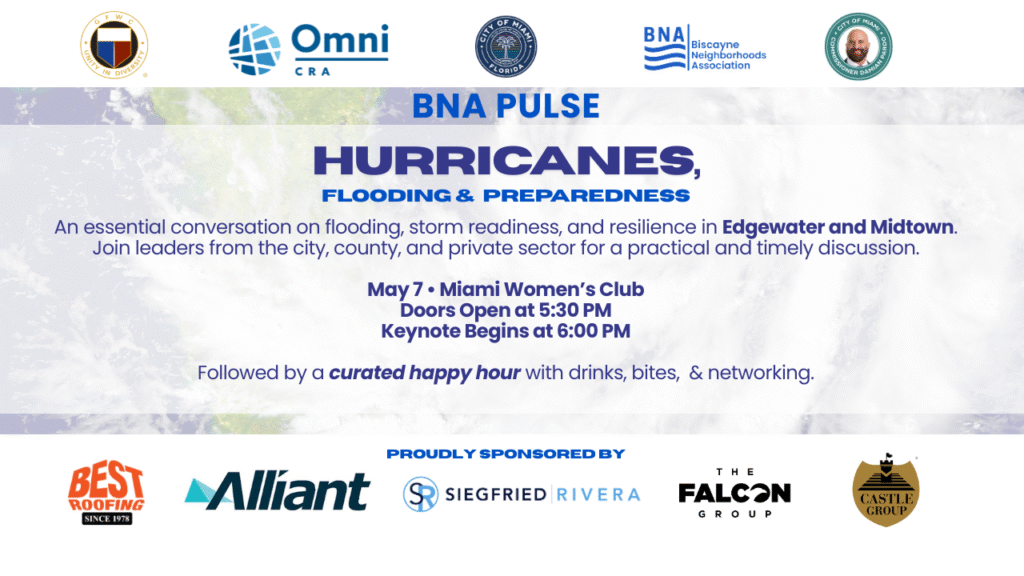
On May 7, BNA Pulse will bring together experts in engineering, property management, legal strategy, roofing, renovation, emergency response, and resiliency to discuss what buildings should do before, during, and after a flooding event. The goal is simple: to help our community move from reactive to ready.
REGISTER HERE
Because when the water starts rising, the time to figure it out is already over.